
6 Things You SHOULD Do to Increase Your Chances of Exclusively Breastfeeding

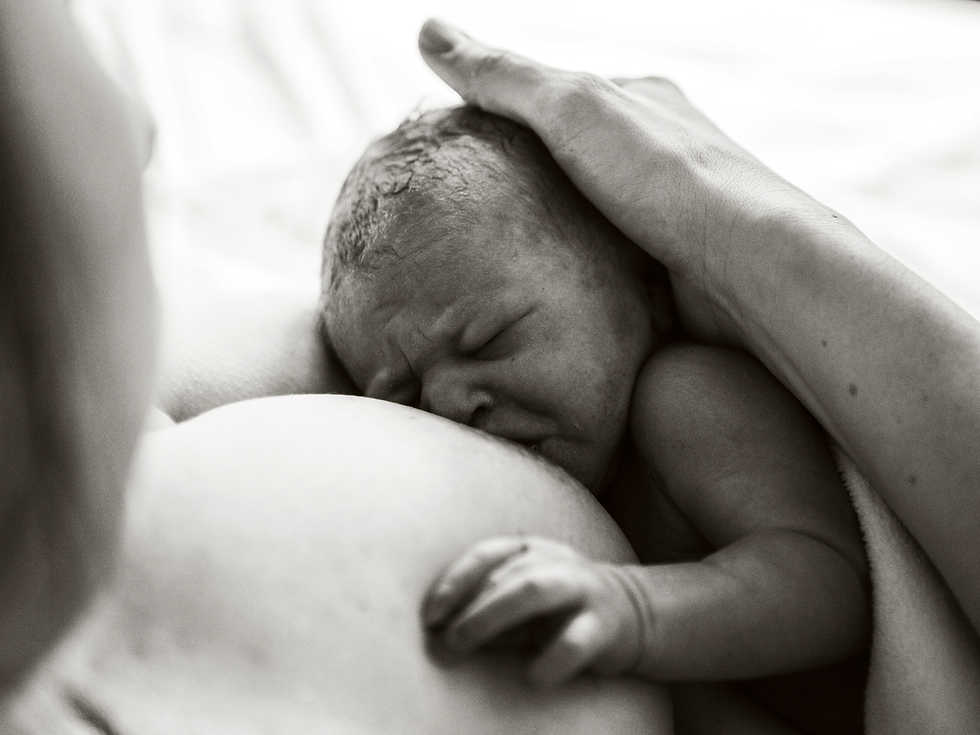
When you are expecting, it is easy to get caught up in decorating the nursery and picking out the perfect stroller. But one of the most vital things you can prepare for is how you are going to feed your baby.
Many expectant mothers hope to exclusively breastfeed, yet find themselves overwhelmed in the hazy, early days postpartum. While there is no way to guarantee a flawless breastfeeding journey, there are practical steps you and your partner can take during pregnancy to stack the odds in your favor and set yourselves up for success.
Here are six things you can do right now to prepare.
Schedule a Prenatal Breastfeeding Consult (And Bring Your Partner!)
If you only do one thing on this list, make it this one, and your partner needs to attend. A one-on-one prenatal consult with a lactation professional is a game-changer. During this visit, we look at your specific medical history, perform a physical exam, and review any conditions that have popped up during your pregnancy.
Having two sets of ears here is vital because, trust me Mama, you are going to want someone else who knows exactly what is going on when you are exhausted. Best of all? It makes your postpartum appointments incredibly smooth. We already know you, and we likely already have a plan in place. It is just a matter of activating it. Trust me, you don't have to sit there filling out forms and documentation while your hiney is hurting and your nipples feel like they are about to fall off!
"Trust me, you don't have to sit there filling out forms and documentation while your hiney is hurting and your nipples feel like they are about to fall off!" - Rue Khosa
Take a Prenatal Breastfeeding Class Together
Trying to figure out latching, positioning, and milk supply while running on zero sleep and recovering from childbirth is incredibly stressful. As the saying goes: don't try to learn how to fly the plane while it feels like it's crashing!
You and your partner need to attend a comprehensive breastfeeding class while you are still pregnant. This equips both of you with the general knowledge and troubleshooting skills you need before the panic sets in.
Ready to get started? Sign up for our signature Breastfeeding Class HERE to get the exact blueprint you need for postpartum success!
Get Fitted for Your Pump & Stock Up on Gear
A breast pump is not a one-size-fits-all device. Using the wrong flange size is a primary culprit for severe pain and low milk output. Get sized by a professional so you have the exact right fit ready to go.

This is also the time to make sure you have the right apparel to make pumping and feeding accessible.
Looking for recommendations? Check out our Amazon List for our absolute favorite nursing tanks, as well as some amazing breastfeeding bras from our trusted partner brands!
Unbox, Charge, and Learn Your Gear
Having a pump sitting in a sealed box in the closet does you no good at 3:00 AM when your baby won't latch.
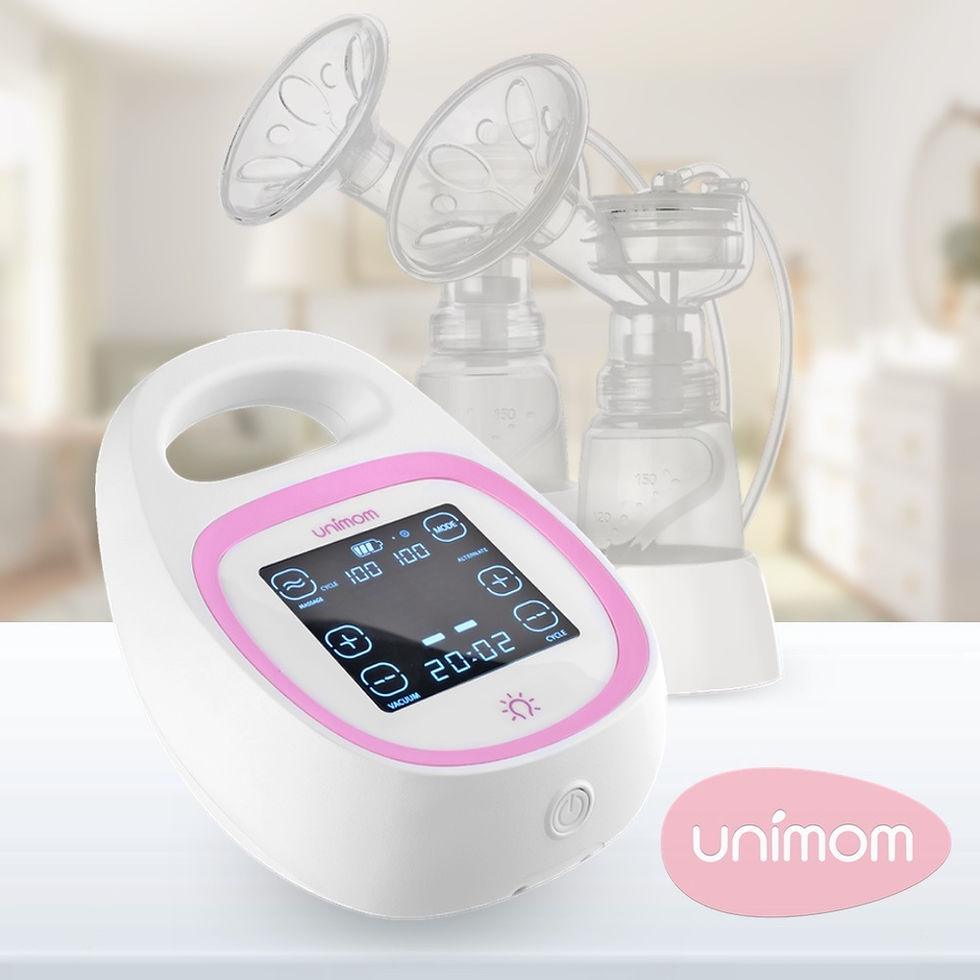
Order your pump well in advance.
Take it out of the box and wash the parts.
Charge the battery.
You and your partner both need to read the manual so you understand the different modes and suction settings.
Consider Colostrum Harvesting
Colostrum is the nutrient-dense first milk your body produces. Expressing and freezing colostrum before birth gives you a stash of perfectly safe, natural supplementation to use if your baby has low blood sugar or trouble latching in the hospital.
You can begin doing this at 36 weeks or later, but there is a major caveat: You must get clearance from your physician before doing this. You do not want to attempt this without their strict approval, as nipple stimulation can sometimes induce contractions. (Your prenatal consult in Step 1 will help you navigate exactly how aggressive you need to be with this!).
Need help learning how to harvest your colostrum? We've got you covered!
Have a Safe Backup Plan & Storage Strategy
There is nothing worse than having to scramble for breast milk at the last minute if your baby needs supplementation. To maintain an exclusively breastmilk diet, have a solid backup plan:
Understand Milk Banks: Research local, certified donor milk banks, but keep in mind that they are not always first-come, first-serve. NICU and high-risk babies will always get priority for donor milk.
Safe Sharing: Talk to trusted friends in your circle who are currently breastfeeding and ask if they would be comfortable with safe milk sharing. (Never purchase breast milk on social media marketplaces like Facebook or Instagram.)
Plan for Storage: Figure out exactly how you are going to store this milk. Make sure you have breast milk storage bags, a dedicated space in your freezer, and an understanding of safe temperature guidelines.
Take a Deep Breath and Enjoy the Ride
We cannot anticipate everything. We don't know how your delivery will go, how long it will take, or what complications might arise for you or your baby that could interrupt your feeding plans. And that is completely okay.

The goal of this preparation isn't to create a rigid, pass-or-fail standard. It is simply about putting a solid plan in place. By doing the groundwork now, you maximize your chances of exclusively breastfeeding and give yourself the confidence to navigate the wild, wonderful ride of early motherhood.


Comments